


Director Desk
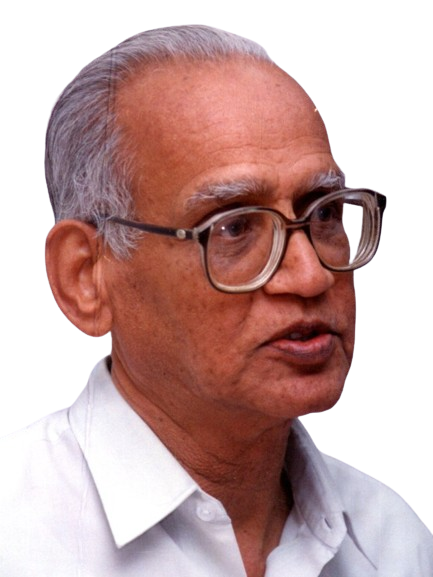
Dr. G. M. Taori
Director Desk
- To establish and promote research activities related to nutrition disorders, genetic disorders and also for those ailments for which understanding is poor at present. To establish, Operate, promote, run, maintain and manage institutions engaged in advancements of research pertaining to neurological, cardiological & endocrinological sciences.
- To conduct research on rural health problems.
- To conduct conferences, refresher courses, lectures, seminars, demonstrations and exhibitions relating to research done and results obtained.

As someone who has been passionately working in the medical research sector for more than 25 years, I have witnessed some major scientific transformations and innovations. Since my Ph.D days, my utter focus has been on converting the outcomes of applied research into practical solutions for the end users. I along with my team have been painstakingly working on developing cost effective, easy to use solutions for the common man.
With that being said, every coin has two sides. The most basic issue that the research community faces is lack of resources and in some reverse cases absence of vision. Fundings are necessary to employ a skilled team, utilize advanced techniques and a platform to alter vision into reality. On the down side, many researchers who are actually offered with vast resources have poor vision and inadequate implementation strategies.
Is Basic Research Reaching Its Target Users?
Over the last two decades, several publications in high or moderate impact factor journals have come out claiming myriad outcomes as far as health research is concerned. They also declare that their research findings are useful for the common man. However, most of the published research findings are not replicated in the other research laboratories, and evidently not translated further into the applied research as well. This fundamental concept is a major roadblock in the contemporary research program.
In the field of basic scientific research, many scientists get plenty of capital from the government as well as from other funding agencies for conducting research. But, when it comes to delivering productive outcomes and applicability of the results, the conclusions are baseless.It would be inappropriate to suggest that basic research holds no significance. At the same time, it is also mandatory for research institutes and scientists to understand that basic research should be designed in such a manner that it should be converted into meaningful applications at reasonable durations. This is a serious issue, since the governments are spending a great deal of money on research, and that money is coming from the public pockets, which should be returned to them in terms of high quality healthcare services and solutions.
The key areas where our healthcare scientists and funding agencies lack are futuristic visions and deep insights of how research can be significantly translated in the day to day lives of the common man. The backlash of this scenario is faced by those private research institutes who, even though conducting goal oriented, applied research; are not granted deserving funding initiatives. Moreover, if at all, the funded institutes manage to deliver applicable results, they are deprived of modern concepts of validating, marketing and selling products, tests or kits in the market for the end users.
I have also witnessed many potential applied studies which were not extended to applicability in the healthcare industry. Rather the hard work, resources and time were not put to correct use. Around the globe, there are numerous institutes, offering excellent Phd programs for scholarly students who are required to dedicate their precious time and money for conducting scientific research. Nonetheless, their efforts go down the drain when their results are not encashed and applied to a deserving platform.
Tete A Tete Between Scientists & Society
Another painstaking issue is the translation of research, where scientists are needed to step out of their laboratories and should directly connect themselves to the society. We all agree that science is valued by society because whatever research we are doing is basically to satisfy human needs and improve the living standards. Scientists should interact with the public, explain their findings in a way that they would understand.It’s a high time to think how our research and scientific findings can contribute to all levels of society. It’s a big, impending question whether the research we are doing is wholly at the inspection and repair of human needs or whether scientists should retain the freedom to pursue knowledge for its own sake. By interacting with the public, we, the scientific society will be able to interpret their problems and plan research accordingly. The majority of research projects are planned inside the air conditioned conferences or meeting rooms, which can never fructify for the economically declined class of people. The findings from these research projects will never work out in rural areas, unless we go there and examine the problems from the ground level.
High Time For Researchers Policy Makers To Join Hands & Collaborate
There is a dire need for the government officials and other funding agencies to set up joint meetings and form committees between clinicians, scientists from health research, pharma groups and representatives of the public sector, right from highly educated citizens to common man. We can least expect that these impending issues will resolve overnight. However, with appropriate aims and channels, we may experience some modifications in the coming years as our country possesses a capable, visionary and active community of scientists.
Take Home Message
It is well said the seeds of good deeds become a tree of life. Through translation research, people can be furnished with easily available, cost effective, qualitative diagnostic kits to fight infections. The modern society has also pleaded for good vaccines that can prevent the deadly infections, drugs which people can buy and should be effective with the lower dosage and effective in short duration. This is only possible when scientists, pharma companies and policy makers unite and actively look into the needs of the society. I understand, it’s not an easy task, but on the same ground, I have an optimistic feeling that if we all put together our resources and expertise, our coming generations will be thankful to us. Therefore, on a positive note, we all must bridge the gaps between ourselves and chip in together to contribute to building our global healthcare scenario.
I Am very hopeful that the established CIIMS ARC Institute will help us to serve society in Health Research.